Executive Summary
For many Egyptian restaurants, the shift to first-party online ordering has been slower than consumer demand would suggest. A central constraint has been the limited availability and reliability of card payments online, which directly affects conversion rates, operational efficiency, and brand control.
This article examines why payment friction has historically held restaurant owners back, the tradeoffs between alternative approaches, and how a new partnership between PlateForm and Fawry addresses these challenges by enabling card payments on merchant storefronts.
The Context: Why Payments Matter for Egyptian Restaurants
Consumer behavior in Egypt has evolved rapidly. Diners increasingly expect:
- Seamless online ordering
- Multiple digital payment options
- Brand-owned ordering channels rather than third-party marketplaces
However, when card payments online are unavailable or unreliable, restaurants face immediate drawbacks:
These constraints disproportionately affect independent restaurants and growing chains attempting to launch their first-party online ordering experience.
Egypt's Digital Transformation Push
The timing for digital payments has never been better. The Central Bank of Egypt (CBE) has been actively driving financial inclusion and digital transformation through multiple initiatives, including promoting electronic payments, mobile wallets, and cashless transactions.
This national push creates a favorable environment for restaurants to adopt digital payments:
- Regulatory support for electronic payment infrastructure
- Growing consumer familiarity with digital payment methods
- Banking sector investment in payment technology
- Government incentives for cashless transactions
For restaurant owners, this means the ecosystem (from consumer readiness to technical infrastructure) is increasingly aligned with digital payment adoption.
Aligned with National Goals
By enabling card payments, restaurants aren't just improving their operations. They're participating in Egypt's broader vision for a modern, digitally-enabled economy.
Why Card Payments Online Were Historically Difficult
Several structural factors have slowed adoption:
1. Payment Infrastructure Complexity
Integrating card payments traditionally required:
- Bank relationships
- Technical compliance (e.g., PCI standards)
- Ongoing reconciliation and settlement management
For small and mid-sized restaurants, this complexity diverted focus from core operations.
2. Trust and Consumer Adoption
While card usage is growing, Egyptian diners have historically relied on cash on delivery. Restaurants were hesitant to invest in online card payments without confidence in customer uptake, creating a classic chicken-and-egg problem.
3. Cost Sensitivity
Transaction fees, chargeback risk, and settlement timelines introduced financial tradeoffs. Many owners opted for cash to avoid fees, even if it constrained growth.
The Chicken-and-Egg Problem
Restaurants wouldn't invest in card payments without customer demand. Customers wouldn't expect card payments without availability. Breaking this cycle requires a low-friction solution that works for both sides.
The Tradeoffs: Cash, Aggregators, or First-Party Ordering
Restaurant owners typically faced three options, each with implications:
| Approach | Advantages | Tradeoffs |
|---|---|---|
| Cash on delivery | Familiar, low setup cost | Lower conversion, higher operational risk |
| Third-party aggregators | Built-in payments, demand access | High commissions, limited brand ownership |
| First-party online ordering | Brand control, data ownership | Requires reliable card payments online |
The absence of accessible card payments often pushed restaurants toward aggregators, even when margins and customer relationships suffered.
The Hidden Cost of Aggregator Dependence
While aggregators solve the payment problem, they extract 25-40% commissions on every order. Over time, this erodes profitability and prevents restaurants from building direct customer relationships.
The Shift: Enabling Card Payments on Restaurant Storefronts
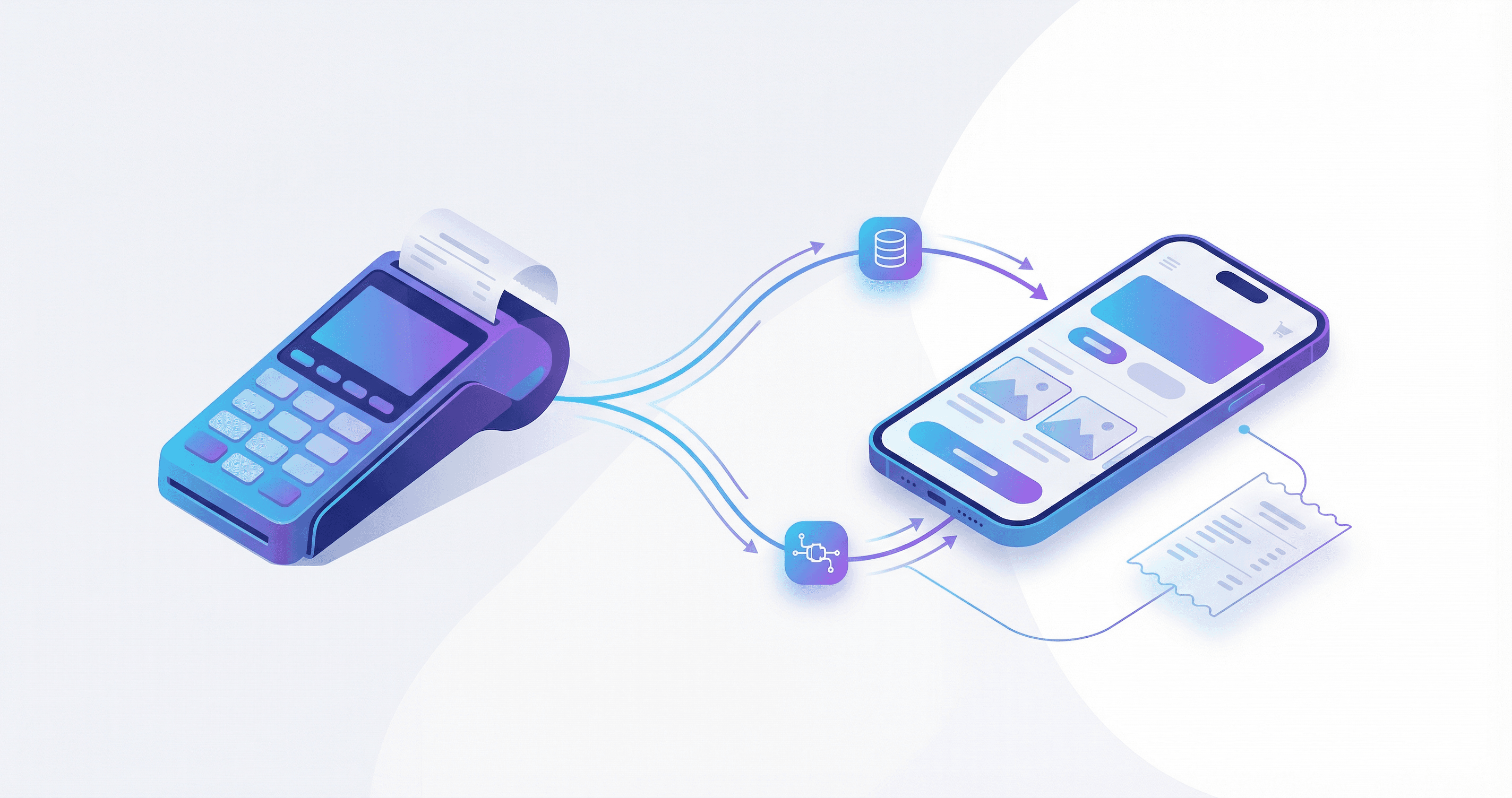
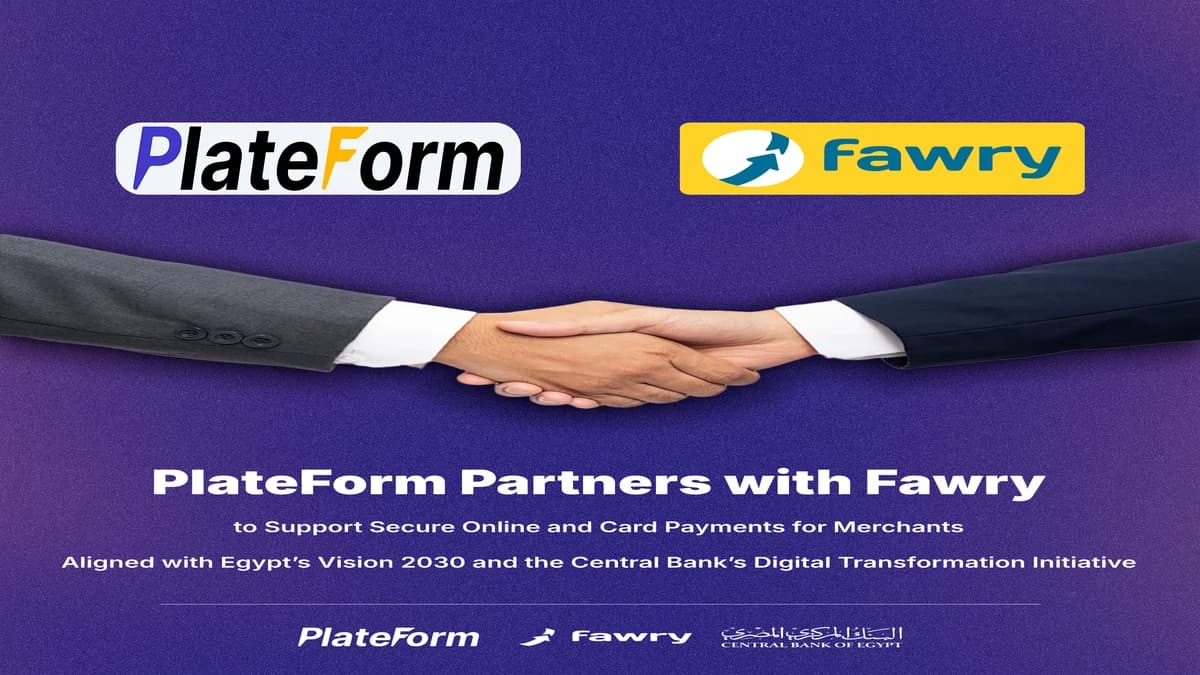
The partnership between PlateForm and Fawry directly targets these pain points by embedding card payments online into restaurant-owned storefronts.
What This Changes
Simplified onboarding: Restaurants can activate card payments without managing multiple vendors or complex integrations.
Higher checkout conversion: Customers complete orders digitally, reducing friction and cart abandonment.
Improved cash flow visibility: Digital settlement supports clearer financial planning and reconciliation.
Brand ownership: Merchants retain direct customer relationships through their own storefronts, not through an aggregator's platform.
By reducing technical and financial barriers, this model makes first-party online ordering a viable growth channel rather than a risky experiment.
Why Fawry?
Fawry is Egypt's leading electronic payment network, trusted by millions of consumers and businesses. This partnership brings:
- Consumer trust: Egyptian customers already know and trust Fawry
- Technical reliability: Proven infrastructure handling millions of transactions
- Local expertise: Deep understanding of Egypt's payment landscape
- Regulatory compliance: Built-in adherence to local financial regulations
A Trusted Partner
With over 250,000 payment points and millions of monthly transactions, Fawry brings unmatched reach and reliability to restaurant payments in Egypt.
Challenges and Considerations Going Forward
While progress is clear, restaurant owners should still evaluate:
Payment Mix Strategy
Balancing card payments with cash to meet diverse customer preferences. Not every customer will pay by card immediately, so offering both options during the transition maximizes conversion.
Fee Management
Understanding transaction costs relative to higher conversion and order value. The math often favors digital payments when you factor in reduced cancellations and higher average order values.
Customer Education
Communicating secure, trusted payment options to encourage adoption. Simple messaging like "Now accepting card payments powered by Fawry" builds confidence.
Start Where You Are
You don't need to eliminate cash overnight. Start by offering card payments as an option, track the results, and let customer behavior guide your strategy.
The Strategic Question
Decisions around payments should be assessed not only on cost, but on long-term impact, including customer loyalty, operational efficiency, and margin sustainability.
Consider these factors:
- Customer experience: Fewer failed deliveries due to cash unavailability
- Operational efficiency: Less cash handling, faster reconciliation
- Growth potential: Ability to scale without aggregator dependency
- Data ownership: Direct access to customer purchasing patterns
The restaurants that move first on digital payments will build habits with their customers that are hard for competitors to break.
Conclusion
The lack of accessible card payments online has historically constrained Egyptian restaurants from fully embracing first-party online ordering. This limitation affected growth, profitability, and brand control.
By integrating card payments directly into merchant storefronts, the PlateForm-Fawry partnership removes a foundational barrier, enabling restaurants to compete digitally on their own terms.
For restaurant owners evaluating their next phase of growth, the strategic question is no longer whether digital payments matter, but how quickly they can be deployed to support a scalable, brand-owned ordering experience.
Ready to Enable Card Payments?
The PlateForm-Fawry integration is now available for Egyptian restaurants ready to take control of their online ordering.
Get Started Today
Enable card payments on your own storefront and keep your customer relationships where they belong: with you.
Contact us to enable Fawry payments or explore all PlateForm features to see how we help restaurants grow.